
Articles
We embrace the spirit of resilience and tenacity of our namesake, the honey badger, in everything we do. Discover the heart of Namibia through our stories — where every journey reveals something remarkable.
Book Your Tour NowFrom the Field
Wildlife encounters, landscape portraits, and tales from the road — straight from the people who guide them.
-
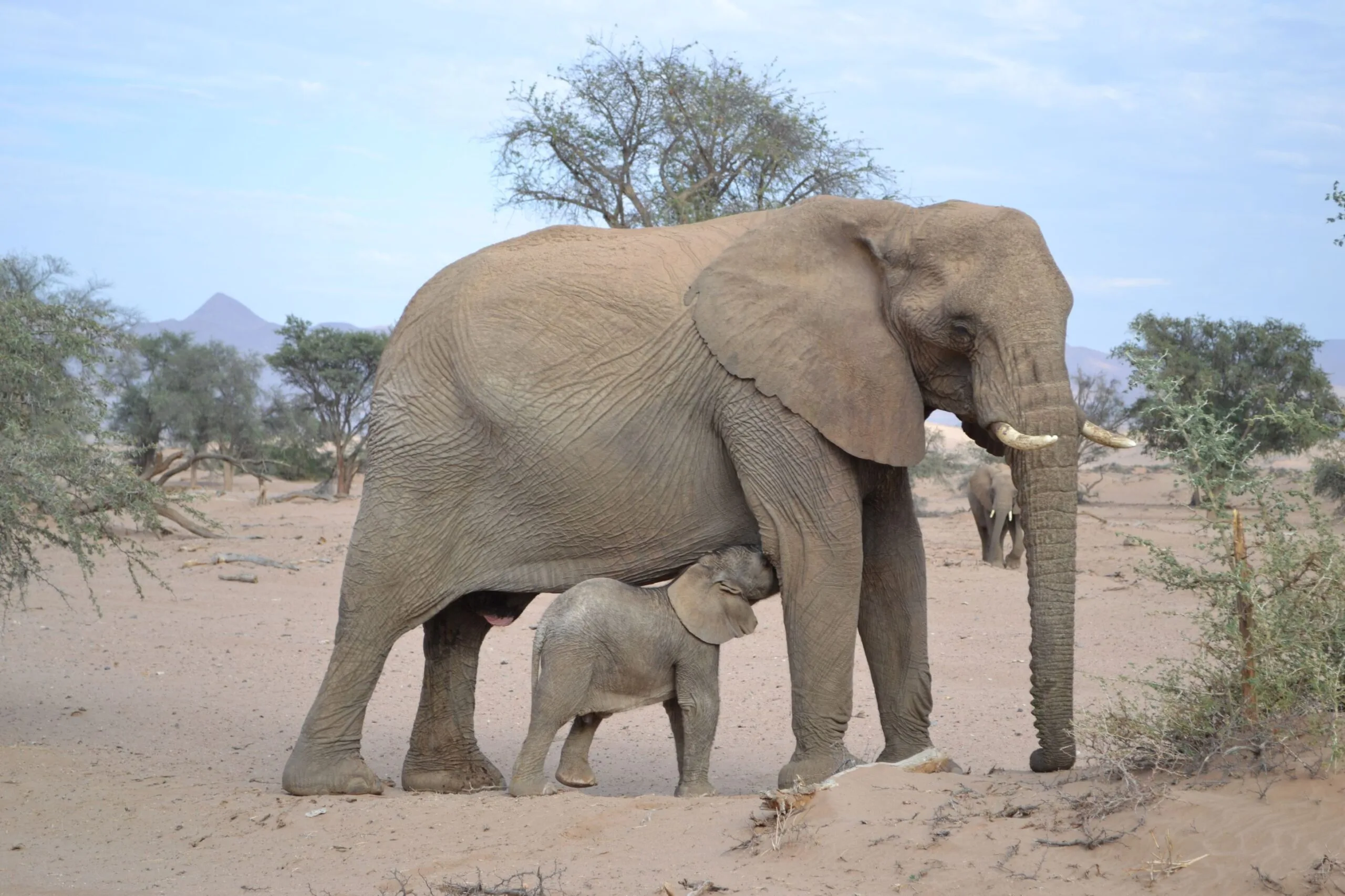
Desert Elephants of the Kunene
Namibia's desert-adapted elephants are not a separate species — they are African elephants that have learned, over generations, to survive in one of the driest places on earth. Leaner, longer-legged, and capable of walking 70 kilometres overnight between water sources, they are among the most remarkable animals on the continent.
-

Deadvlei — Where Time Stopped
A white clay pan enclosed by the world's tallest dunes, filled with camel-thorn trees that have been dead for 900 years and show no sign of falling. Deadvlei is a place that operates outside of normal time — and no photograph, however good, fully prepares you for it.
-

Elephants of Chobe and Beyond
The Chobe River holds the largest concentration of African elephants on earth. Watching a herd of a thousand cross the river at sunset, the sound of water and low calls carrying across to the Namibian bank, is one of those experiences that resets your sense of scale permanently.
-
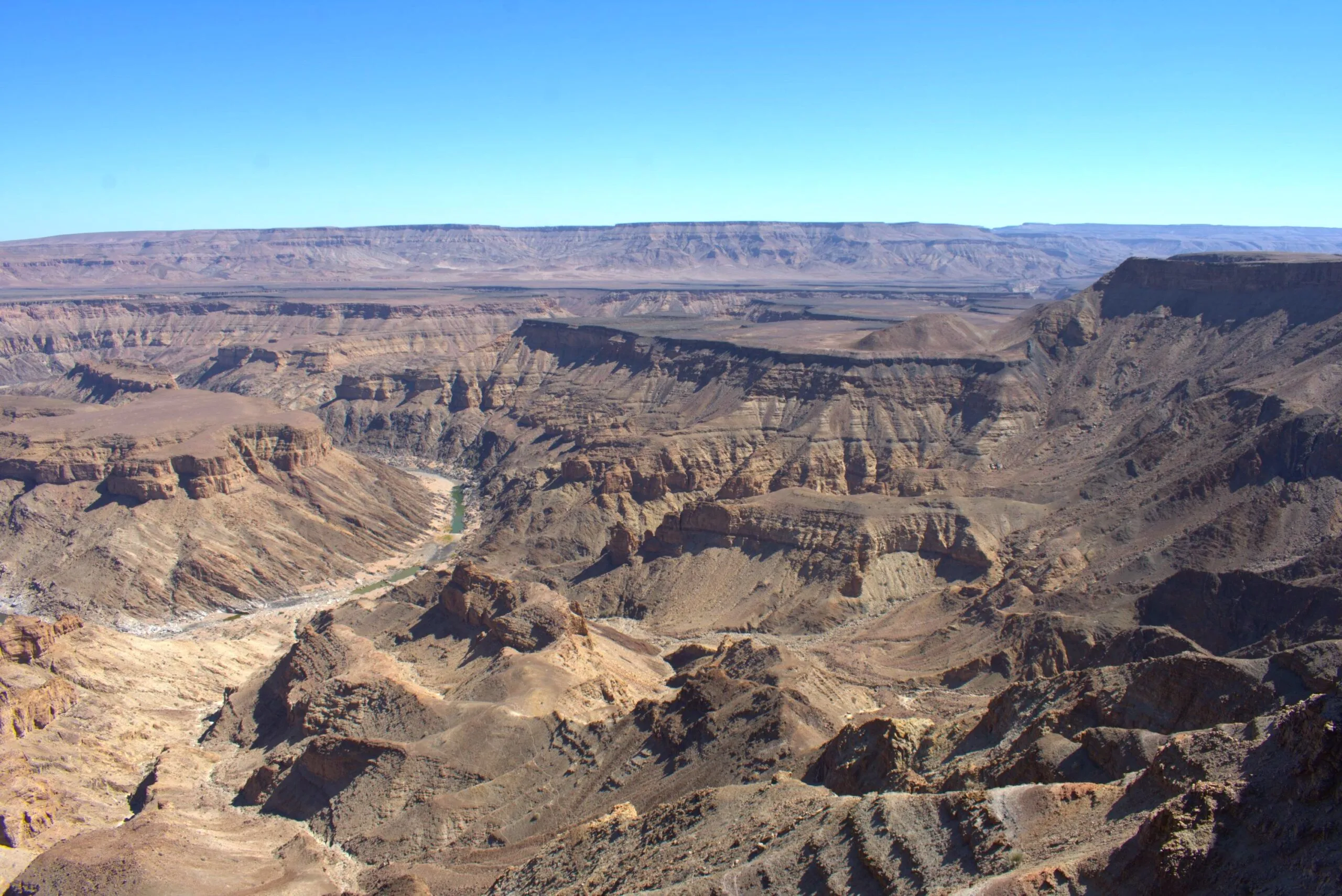
Fish River Canyon — Africa's Grand Canyon
The Fish River Canyon in southern Namibia is the second-largest canyon in the world. It is 160 kilometres long, 550 metres deep, and almost entirely unknown to the rest of the world. That last fact makes it one of the most remarkable places in Africa.
-
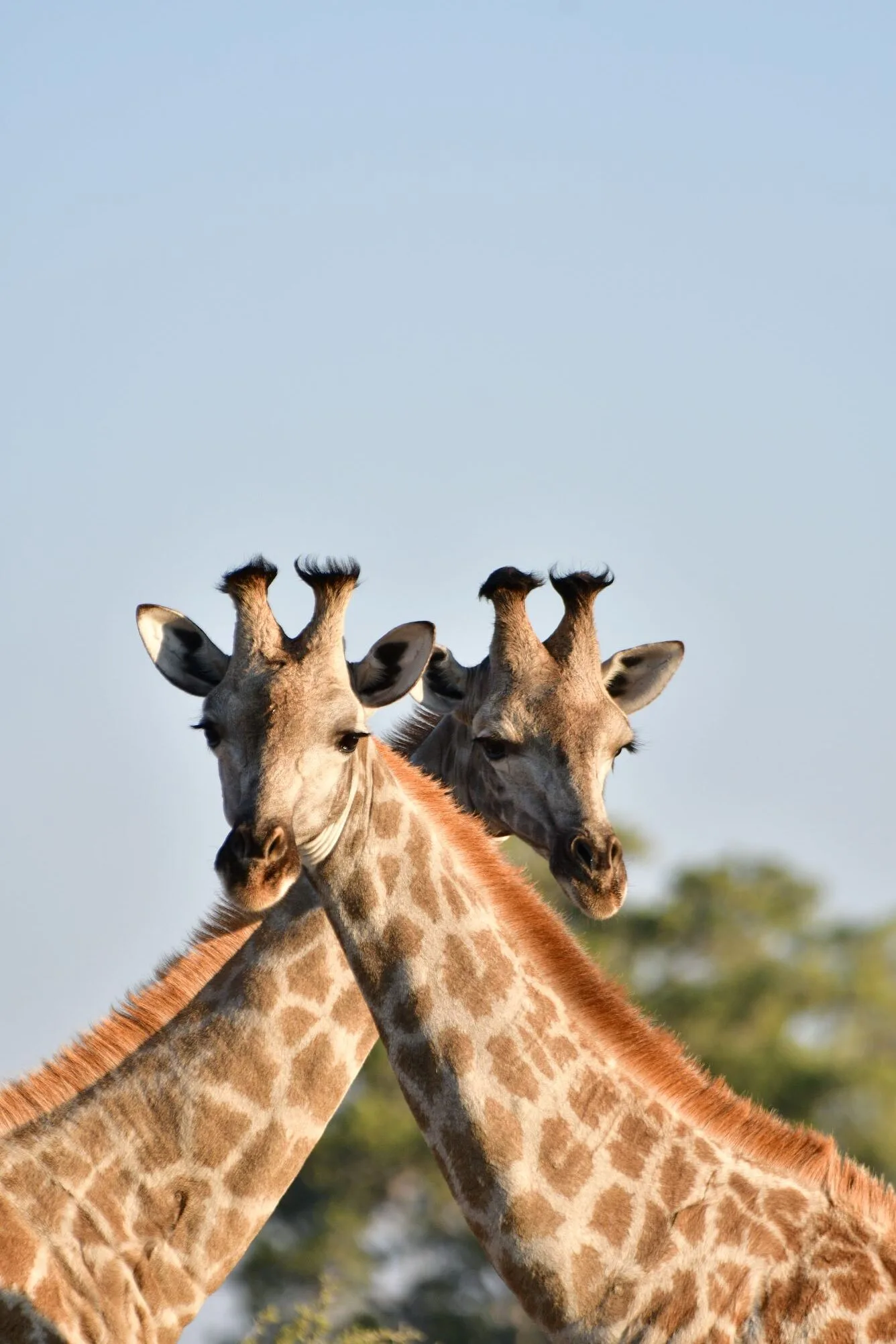
The Giraffe — Africa's Tallest Story
At up to six metres tall, the giraffe is the largest land animal that most people never fully comprehend until they are standing next to one. In Namibia's Etosha and the Caprivi Strip, they move through the treeline like slow, improbable architecture.
-
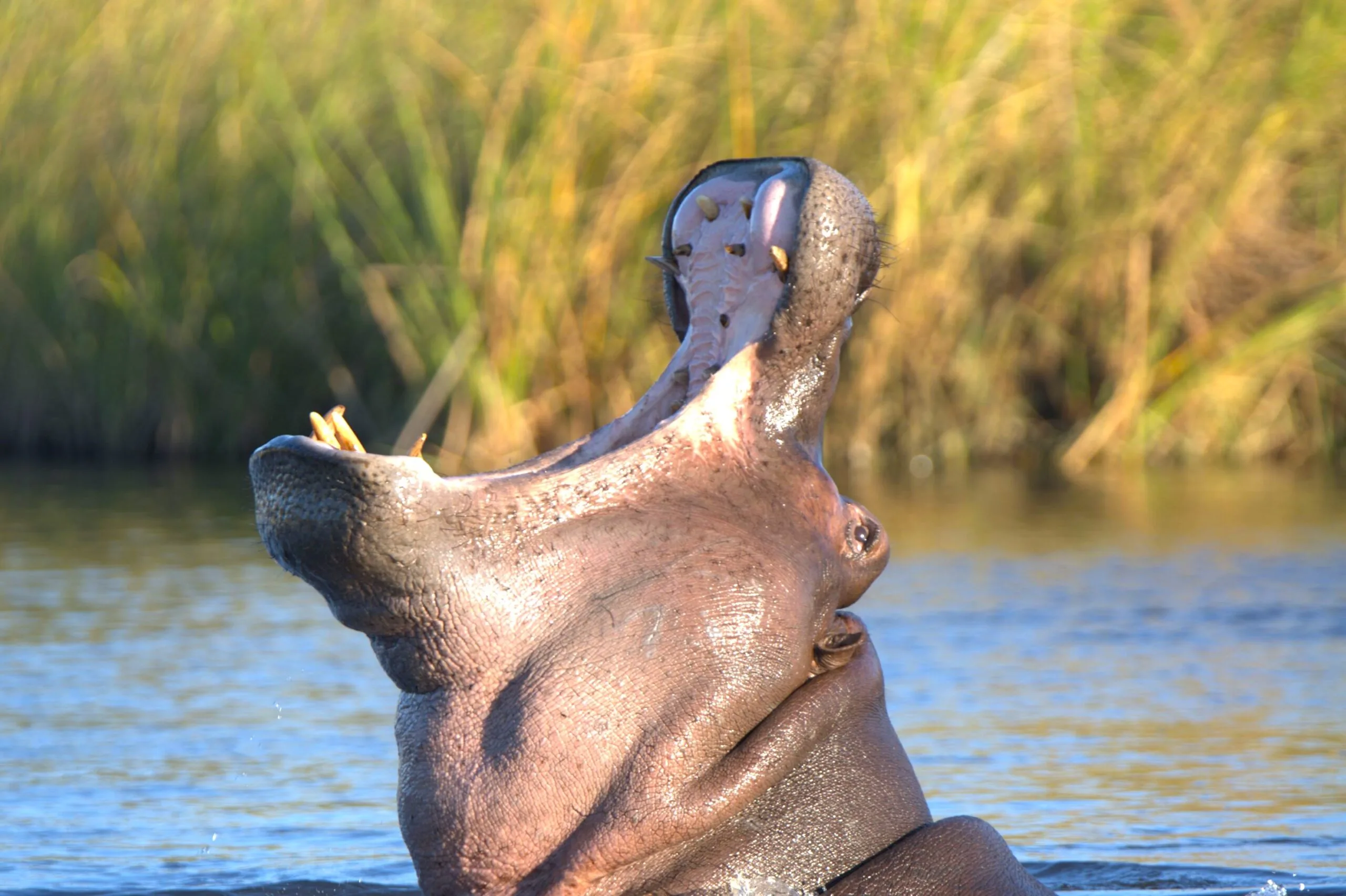
The Hippopotamus — Africa's Most Dangerous Animal
The hippopotamus is responsible for more human deaths in Africa each year than lions, leopards, and buffalo combined. In Namibia's Caprivi Strip and along the Okavango waterways, they are a commanding and constant presence — best appreciated from a respectful distance.
-
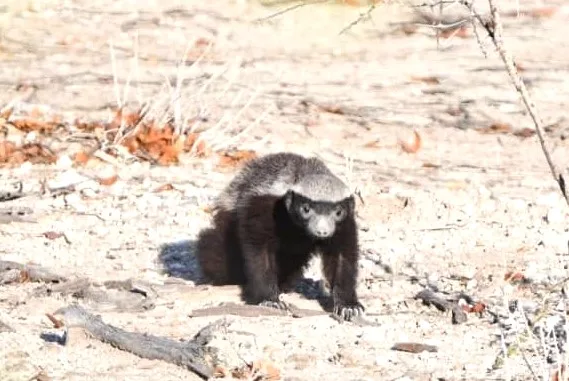
The Honey Badger — Namibia's Most Fearless Animal
The ratel, or honey badger, is pound for pound the most tenacious carnivore in Africa. It has been documented chasing lions from kills, surviving cobra bites that would kill a dog, and escaping every enclosure humans have ever built to contain it. Namibia named a safari company after it for good reason.
-
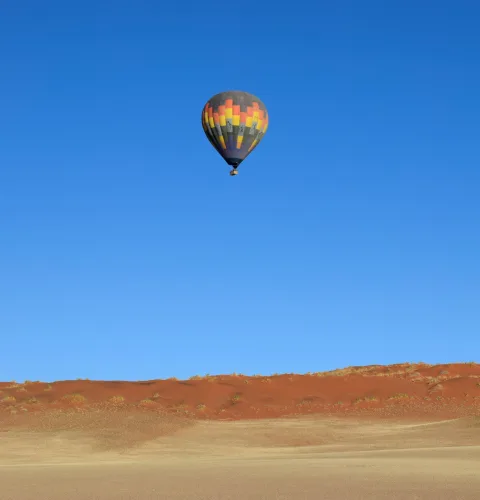
Hot Air Ballooning over the Namib Desert
At 4am in the Namib, the balloon team is already working by headlamp. You watch the envelope inflate in the dark, enormous and glowing from the inside. Forty minutes later you are 600 metres above the oldest desert on earth, moving at exactly the speed of the wind, in complete silence.
-

Kolmanskop — The Diamond Ghost Town
In 1908, a railway worker found a diamond in the sand near Lüderitz. Within two years, the wealthiest small town in Africa had been built. Within fifty years, the desert had begun to take it back. Today Kolmanskop is one of the most haunting places in Namibia.
-

Lions of Namibia
Namibia is home to two of Africa's most compelling lion populations — the desert-adapted prides of Etosha and the black-maned giants of the Kalahari. Both are studies in power, patience, and a kind of intelligence that you only begin to understand when you're close enough to hear them breathe.
-
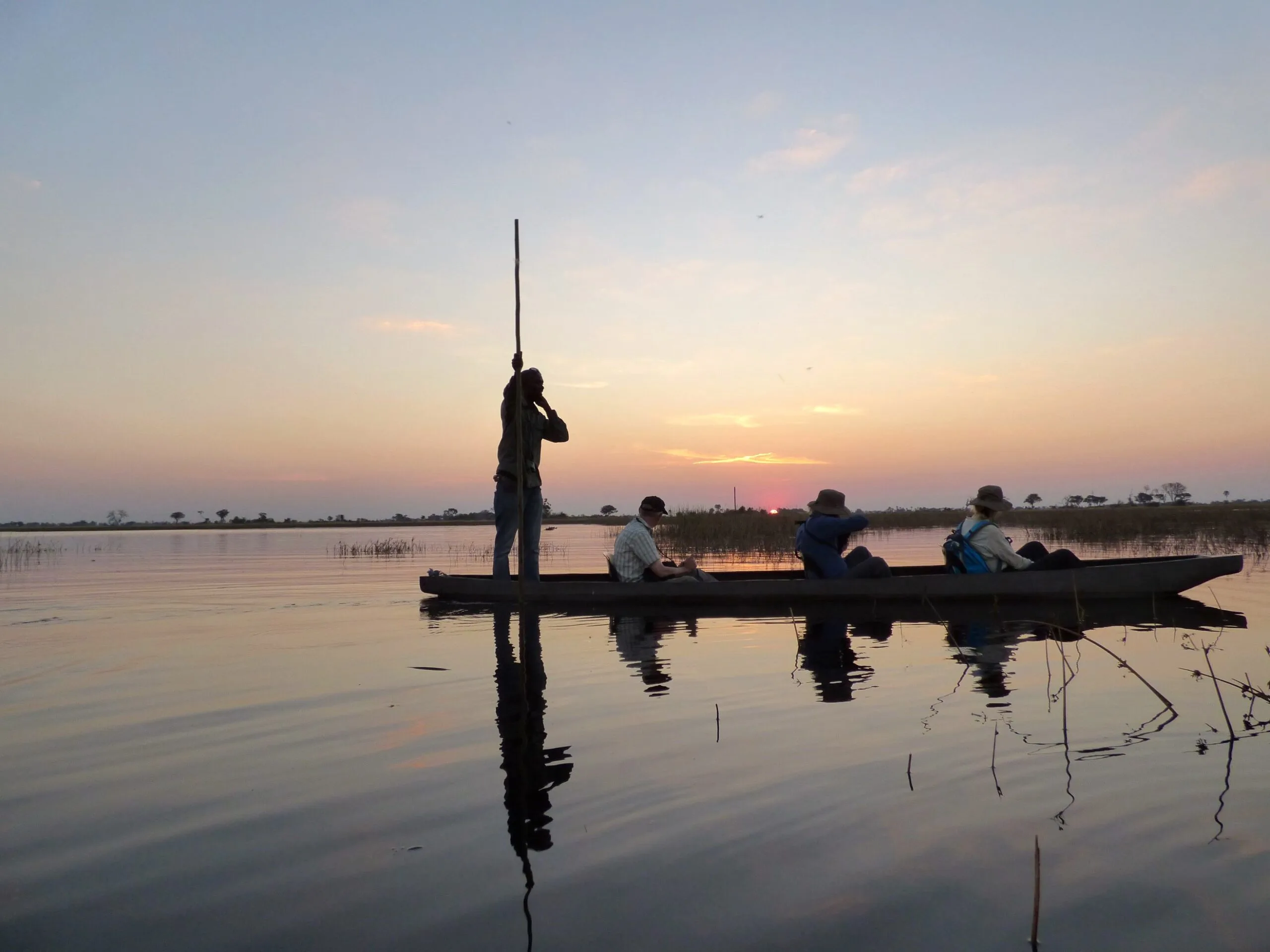
Mokoro on the Okavango Delta
A mokoro is a dugout canoe poled by a standing guide through shallow channels in the Okavango Delta. Moving at walking pace through a landscape that is 70% water, in total silence, with a malachite kingfisher twelve centimetres from your face — it is the most intimate wildlife encounter in southern Africa.
-
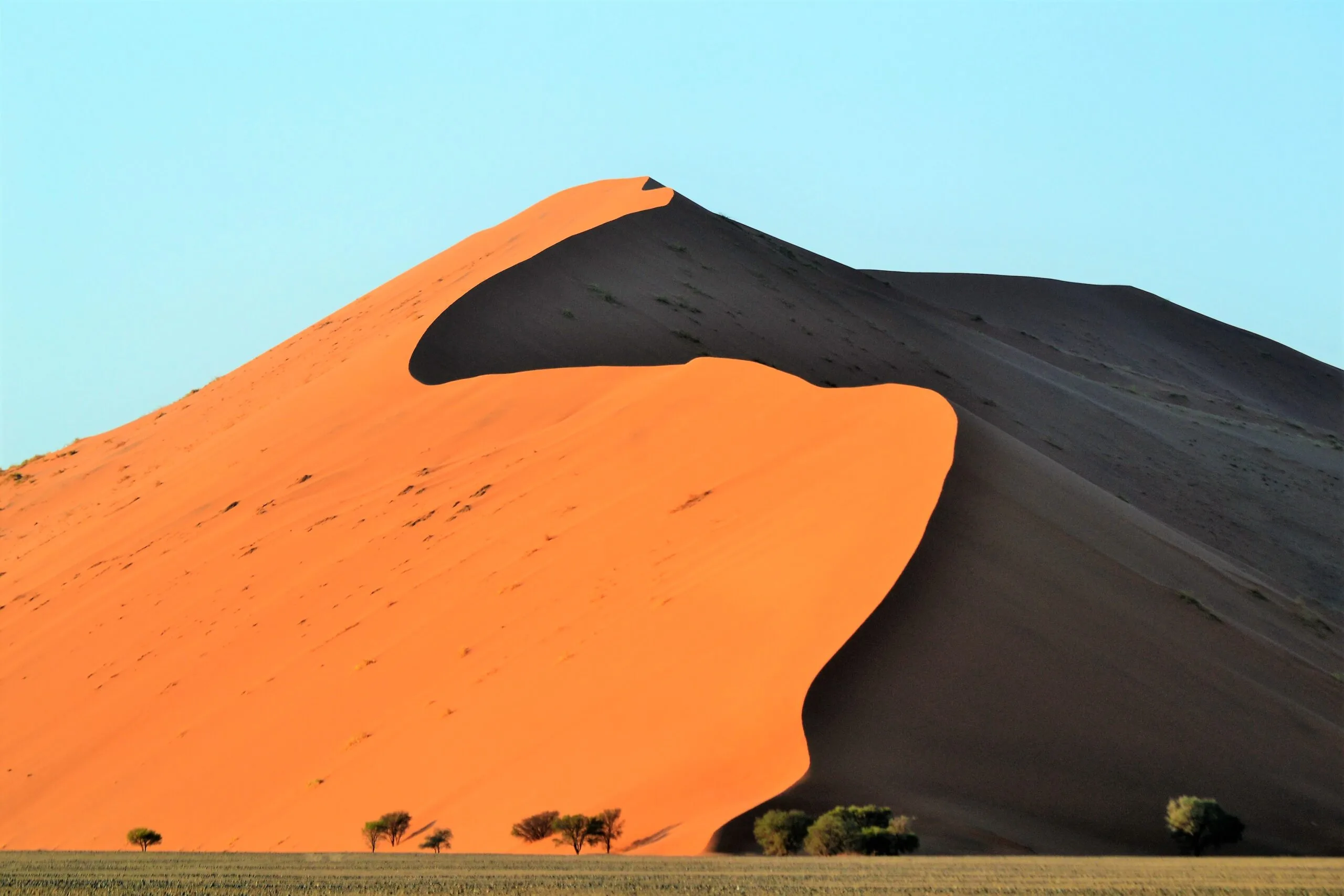
The Namib Sand Dunes — Sossusvlei and Beyond
The Namib is 55 million years old, making it the oldest desert on earth. Its dunes are the product of that entire span of time — compressed, sculpted, and coloured by oxidisation into the deep orange-red that has become the defining image of Namibia.
-
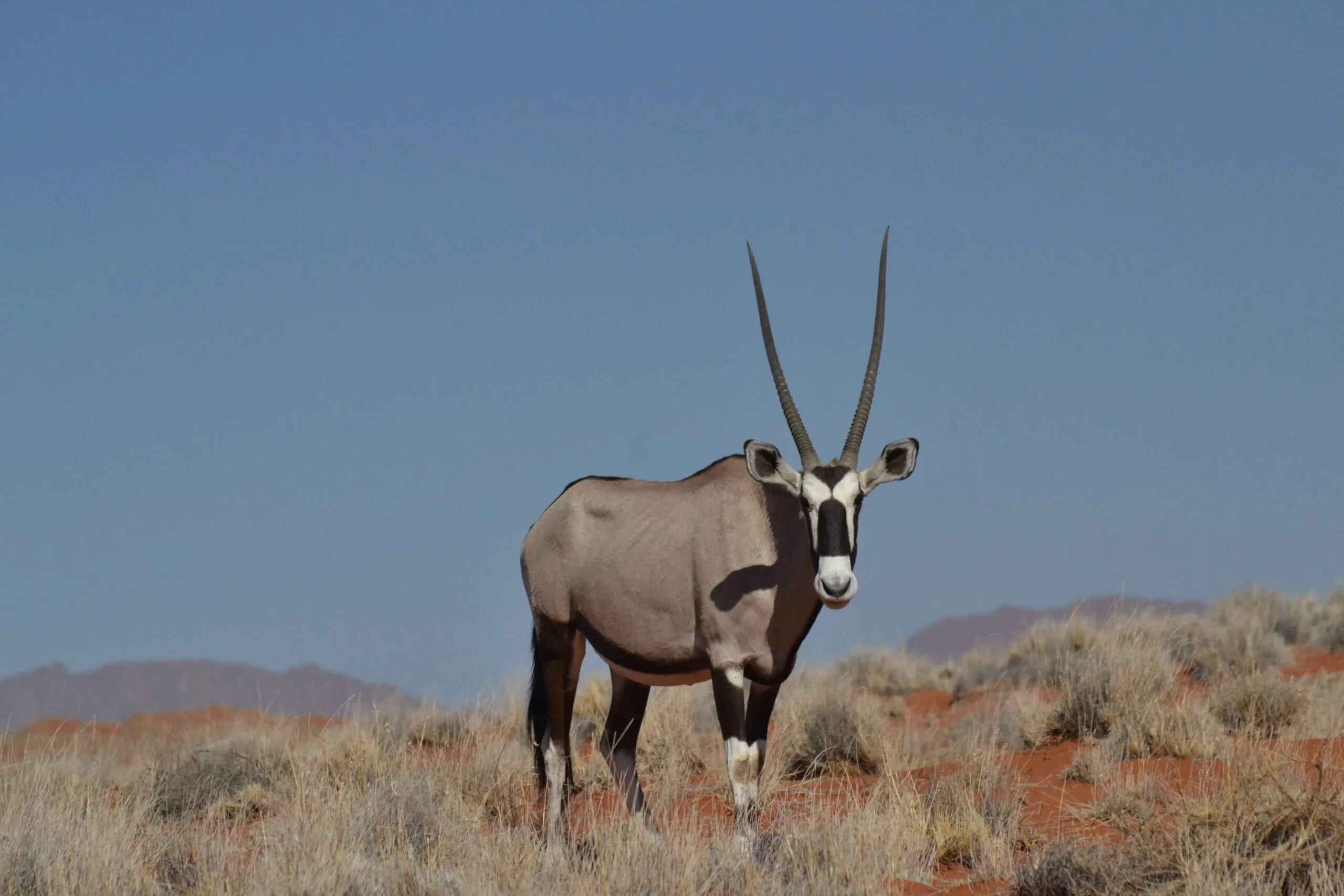
The Oryx — Namibia's National Animal
The gemsbok is the animal Namibia chose to represent itself — a creature of desert and endurance that has quietly solved problems of heat, water, and survival that would kill most mammals within hours. It belongs to this landscape completely.
-
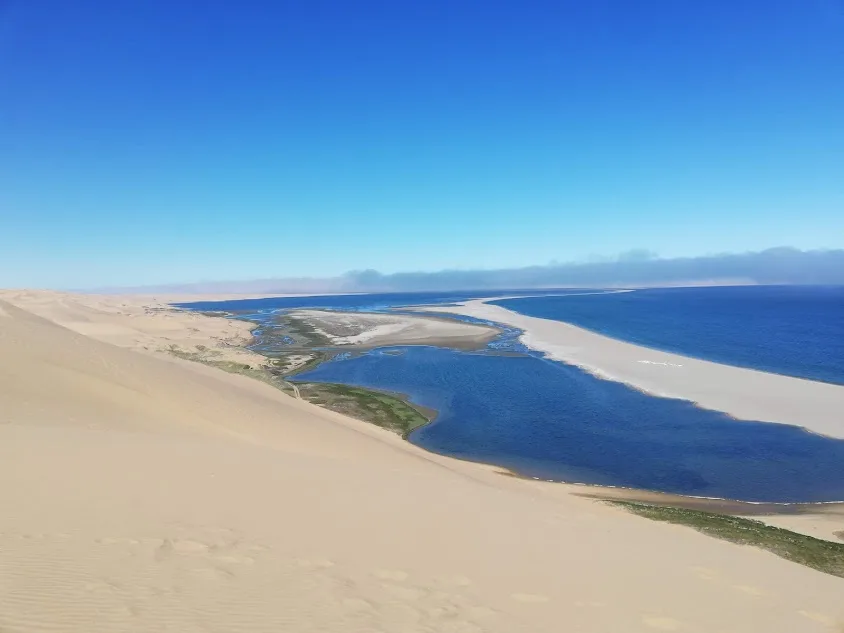
Sandwich Harbour — Where Desert Meets Ocean
Thirty kilometres south of Walvis Bay, the Namib's tallest dunes drop directly into the South Atlantic. The transition is abrupt, absolute, and like nothing else in Africa. Getting there requires a guide, a 4x4, and a falling tide.
-
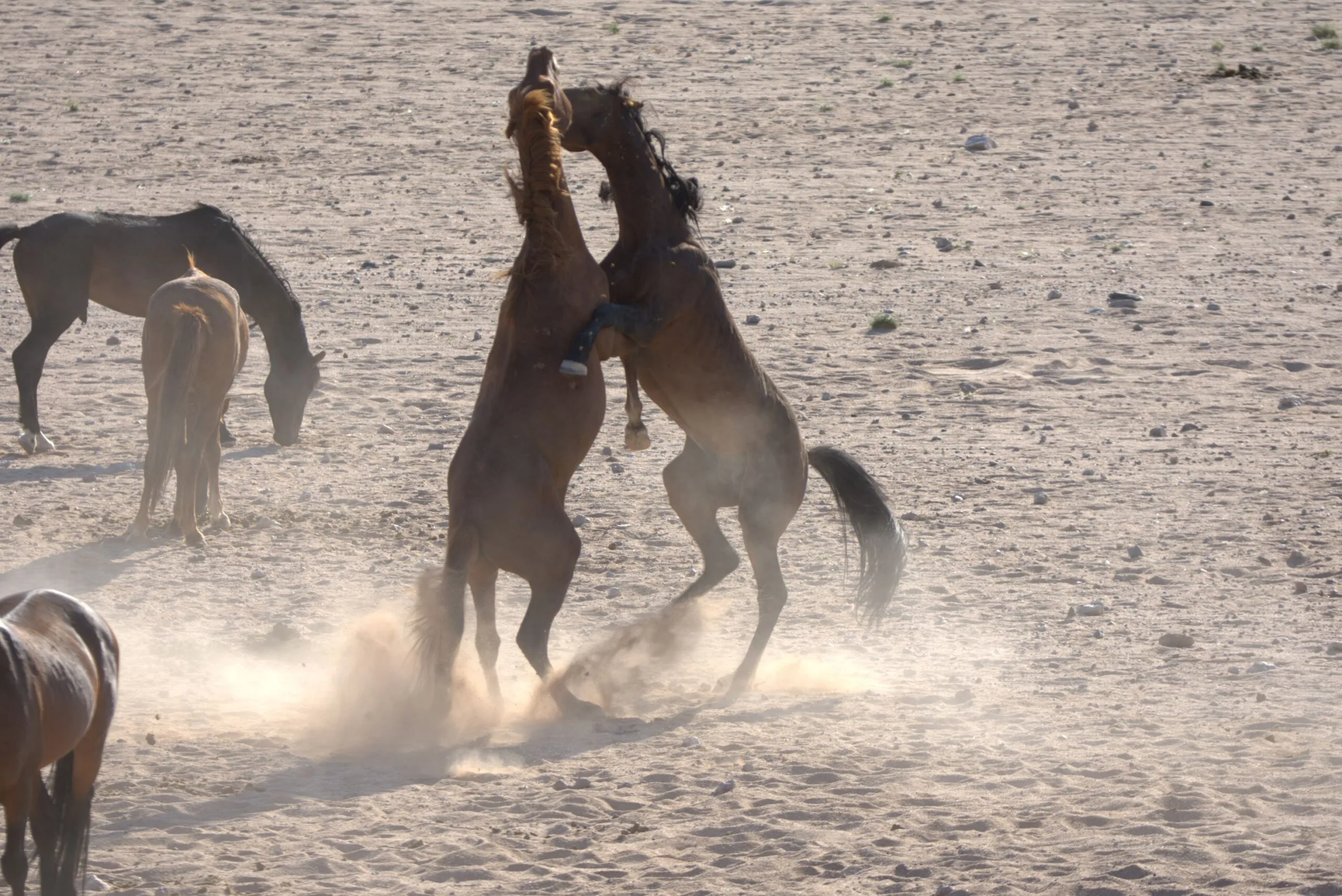
The Wild Horses of the Namib
The feral horses of Garub are one of Africa's great mysteries — a population of wild horses living in the middle of the Namib Desert, drinking from a single government-maintained waterhole, surviving conditions that should not support horses at all. Nobody knows exactly where they came from.
"Until the lion learns to write, every story will glorify the hunter."
— African Proverb